
Every Changemaker Starts Somewhere
When teachers first discover Project Heart, one of the most common questions they ask is: “Where do I start?”
Between curriculum requirements, testing schedules, classroom management, and everything else educators juggle, introducing something new can feel overwhelming. The good news is that teaching philanthropy doesn’t require a curriculum overhaul, a large budget, or months of planning.
It can start with something much smaller.
A conversation. A question. A moment that helps students realize they can create positive change.
That’s where Project Heart begins.
The Changemakers Are Already in Your Classroom
Young people naturally look for ways to help. They notice when a classmate is struggling. They care about fairness. They ask questions about problems they see in their schools and communities.
The opportunity is to help students understand that caring can become action.
When students recognize that their ideas and contributions have value, they begin developing a sense of agency. Through service-learning and philanthropy experiences, they can build empathy, communication, collaboration, responsibility, and initiative while addressing real-world needs.
Project Heart was built on the belief that when young people are given meaningful opportunities to contribute, they rise to the occasion. Its mission is to ignite a movement of philanthropy by helping educators unleash the maker, doer, and giver inside every student.
At the heart of that mission is a simple framework students can immediately understand:
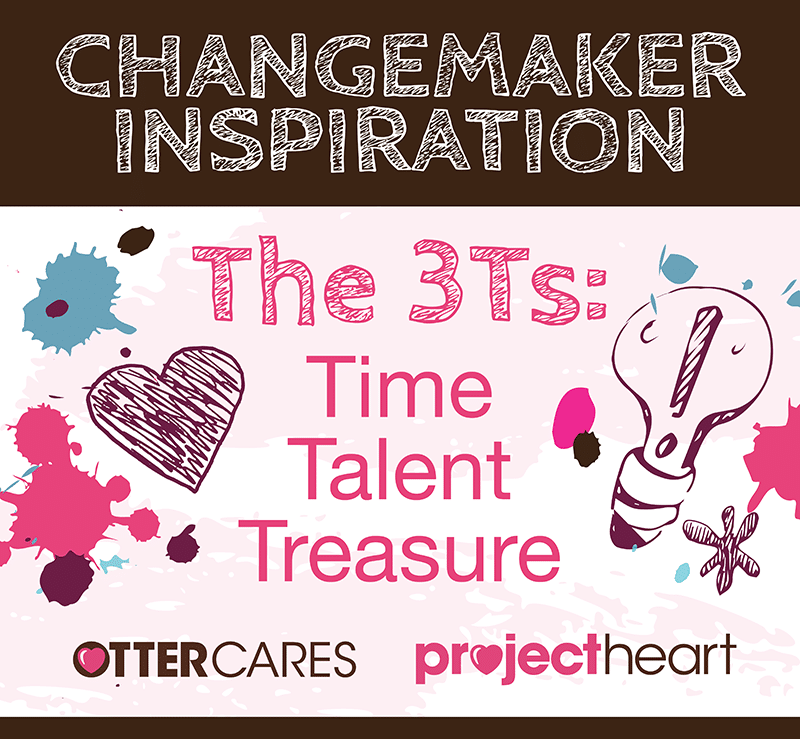
Time. Talent. Treasure.
Every student has something valuable to give.
This shifts the conversation from “What don’t I have?” to “What can I contribute?” Students begin to see that making a difference isn’t reserved for adults or people with money. They can start right now.
Starting Is Simpler Than You Think
Project Heart was intentionally designed to be free, flexible, and easy for educators to incorporate into what they’re already doing.
Some teachers use the full grade-level curriculum. Others begin with a supplemental activity, a chapter from Unstoppable!, a service project idea, or a classroom discussion inspired by something happening in their community.
There isn’t one right way to Project Heart.
The goal isn’t to do everything at once. The goal is simply to start.
And often, that’s when the momentum begins. Conversations become ideas. Ideas become projects. Projects become meaningful impact.
Your First Step
If you’re new to Project Heart, start small.
Choose one lesson.
Read one story.
Have one conversation.
Or ask your students one powerful question:
The goal isn’t to do everything at once. The goal is simply to start.
“What needs do you notice in our school or community?”
Then listen.
Their answers can become the starting point for exploring how their time, talent, and treasure might make a difference.
Project Heart provides lesson plans, supplemental activities, project ideas, and financial support to help educators guide the journey.
Every Changemaker Starts Somewhere
No student becomes a changemaker overnight. It happens one experience at a time.
One opportunity to serve.
One problem to solve.
One moment when a student realizes, “I can help.”
Those are the moments when confidence can grow, empathy can deepen, and leadership can begin.
That’s why Project Heart exists. Not simply to teach philanthropy, but to help young people discover their capacity to create positive change.
Ready to take the first step? Create your free Project Heart account, explore the resources, and choose one place to begin.
The next generation of changemakers may already be sitting in your classroom.
Next Month in the How to Project Heart Series: Building Student Buy-In
We’ll explore how to help students take ownership of their philanthropy journey and turn a classroom activity into something they genuinely care about.