
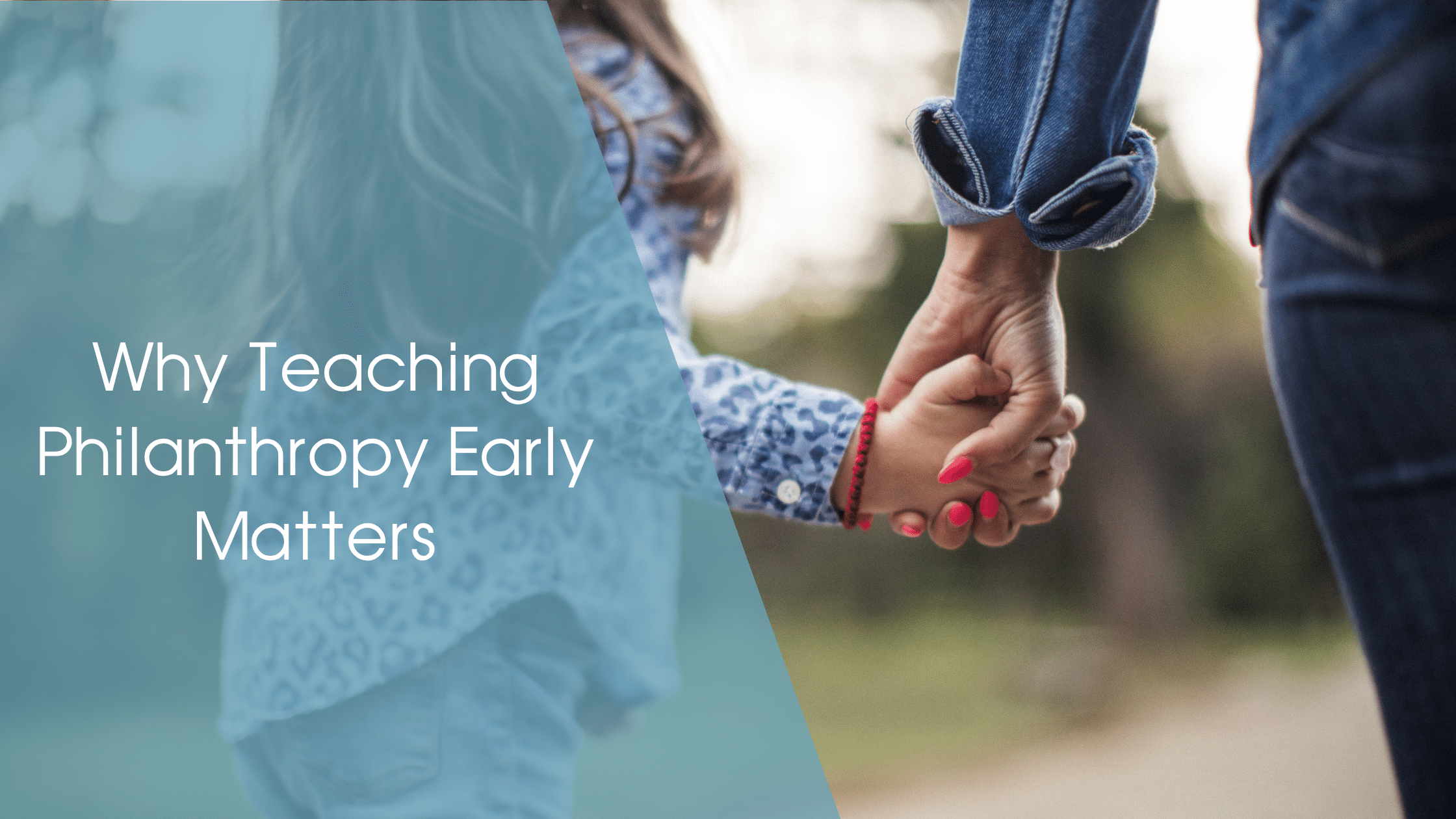
When most people hear the word philanthropy, they picture charitable donations, big checks, or large nonprofit organizations. But philanthropy starts much earlier and much closer to home.
It begins the moment a young person realizes, “I can help.”
Whether students are helping a classmate, volunteering with their family, or leading a service project at school, those experiences teach something bigger than generosity. They help young people see that their ideas, actions, and voices can make a real difference. That belief matters. Over time, it builds confidence, encourages initiative, and helps students grow from participants in their communities into people who can help shape them.
That is the power of philanthropy education—and it is why Project Heart exists.
Philanthropy Is Bigger Than Giving Money
When people think about philanthropy, money often comes to mind first. But that’s only one way to make a difference. Real philanthropy begins with a simple question:
How can I help?
Sometimes the answer is giving financially. Other times, it’s offering your time, sharing a skill, listening to someone who needs support, or stepping up to solve a problem in your community. That’s why it’s something every young person can practice.
Through Project Heart, students learn philanthropy through the lens of Time, Talent, and Treasure. Every young person has something valuable to give, regardless of age, background, or resources.
- Time — Showing up to serve others.
- Talent — Using your unique skills to help.
- Treasure — Sharing resources or collecting items to support a cause.
This way of thinking changes everything. Instead of asking, “What don’t I have?” young people begin asking, “What can I contribute?” That’s an important shift because it reminds students that making a difference doesn’t start someday, when they’re older or have more to give.
It starts today, with whatever they already have to offer.
Check out our Philanthropy Life Cycle activity and discover how meaningful giving grows from a simple idea into lasting impact.
Why Early Experiences Matter
Children learn by doing and by watching the adults around them. By trying something new, making mistakes, asking questions, and seeing the impact of their actions.
Philanthropy is no different.
When young people have opportunities to serve others, they’re doing much more than completing a project. They’re developing habits and perspectives that can stay with them for the rest of their lives.
Service-learning and philanthropy experiences give students a practical way to build empathy, strengthen communication, practice collaboration, and become more engaged in their schools and communities. Just as importantly, they give students the chance to apply those skills in real situations, not just read about them.
What Young People Gain
Meaningful experiences help young people develop:
- Communication by working with others toward a shared goal.
- Confidence by seeing that their actions have an impact.
- Responsibility by contributing to something bigger than themselves.
- Empathy by understanding another person’s perspective.
- Initiative by recognizing opportunities to step in and help.
Character isn’t built in a single lesson. It’s shaped through experiences that are repeated over time.
A student who helps with one service project is often more willing to join the next. Eventually, helping others stops feeling like an assignment and starts becoming part of who they are. That’s why starting early matters. The goal isn’t to raise students who occasionally volunteer. It’s to help young people develop the confidence to recognize opportunities, take initiative, and believe they can make a positive impact wherever they go.
Helping Is the Beginning. Becoming a Changemaker Is the Goal.
Helping others is often where the journey begins.
A student joins a food drive, volunteers at a community event, or writes letters to residents at a local nursing home. Those experiences matter because they introduce young people to generosity and service. But what happens next matters even more.
The most meaningful experiences don’t just ask students to participate. They encourage them to notice a need, ask questions, and help find a solution. That shift changes everything. Instead of asking, “What are we doing today?” students begin asking, “What could we do to make this better?” That’s the difference between completing a project and taking ownership of it.
When young people have a voice in the process by choosing a cause, sharing ideas, making decisions, and reflecting on the outcome, they begin developing something much deeper than volunteer experience. They begin developing confidence in their ability to lead and start seeing themselves as people whose ideas matter.
And that’s where changemakers begin.
A Culture of Generosity
Young people don’t learn generosity from a single lesson. They learn it from the people around them.
Everyday moments matter. A parent helping a neighbor, a teacher encouraging students to solve a problem together, or a community organization inviting young people to serve alongside adults all send the same message: your actions can make a difference. When those experiences happen consistently, generosity stops feeling like something you do once in a while. It becomes part of how you see yourself and the world around you.
Families Plant the Seeds
For many young people, the first lessons in generosity happen at home. They watch how adults respond when someone needs help. They hear conversations about giving back. They see kindness modeled in everyday decisions. Those moments don’t have to be planned. They simply have to be seen.
Whether it’s volunteering together, supporting a local cause, or taking time to help a neighbor, families show that generosity is part of everyday life, not something reserved for special occasions. Generosity is often learned in the everyday moments families share together.
You don’t need to have all the answers or plan elaborate volunteer projects. Simply inviting children to notice the needs around them and talk about how they can help is a powerful place to begin.
A few simple ideas:
- Let your child help choose a cause to support.
- Ask, “Who made a difference for you today? Did you make a difference for someone else?”
- Volunteer together as a family.
- Celebrate kindness, effort, and compassion as much as achievements.
Check out our Family Philanthropy Bingo activity and get inspired to turn simple acts of kindness into meaningful community impact!
Schools Help It Grow
Schools create something equally important: opportunities to practice. Classroom discussions become community projects. Ideas turn into action. Students work together, solve problems, and reflect on what they’ve learned. Those experiences reinforce an important lesson: learning isn’t just about understanding a concept. It’s about discovering how to use it to make a positive impact.
The best philanthropy lessons don’t always begin with a curriculum. They begin with curiosity. Invite students to ask questions, identify needs in their school or community, and think about how they might respond. Give them opportunities to share ideas, work together, and reflect on what they learned along the way.
The goal isn’t to create the perfect service project.
It’s to create meaningful experiences that students will carry with them long after the project is over.
Communities Make It Real
Communities show young people that their efforts matter beyond the classroom. Working alongside local nonprofits, businesses, and volunteers help students see how people with different skills and experiences can come together around a common purpose.
When families, schools, and communities all reinforce the same message, young people receive something much bigger than encouragement. They begin to understand that improving their community isn’t someone else’s responsibility. It’s something they can be part of.
Young people are ready to contribute. Sometimes they simply need an opportunity. And those experiences help young people realize they aren’t waiting to become leaders someday. They’re already capable of making a difference today.
Small moments rarely feel extraordinary when they’re happening, and they may seem simple, but they have the power to shape how young people see themselves for years to come.
Every young person has something valuable to contribute. Sometimes the smallest opportunity is all it takes for them to discover it.
How to Start Small
Teaching philanthropy doesn’t require a large budget, a schoolwide initiative, or months of planning. More often, it starts with a conversation, a question, or an opportunity that helps a young person see the world a little differently.
Small experiences have a way of growing into something much bigger.
- Ask students what needs they notice in their classroom, school, or neighborhood.
- Invite them to connect a personal passion or talent to a cause they care about.
- Choose one small action students can take using their time, talent, or treasure.
- Reflect afterward by asking, “What changed because we showed up?”
Final Thoughts
No one remembers every lesson they learned in school. But most of us remember the experiences that changed how we saw ourselves.
For one young person, it might be organizing a food drive. For another, it’s leading a service project, helping a classmate, or realizing that their idea inspired others to take action. Those moments stay with us because they shape more than what we know. They shape what we believe we’re capable of becoming.
That’s why teaching philanthropy matters.
It’s not about raising more volunteers or completing more service projects. It’s about helping young people discover that they have something valuable to contribute, and giving them opportunities to use it. Over time, those experiences build confidence, encourage initiative, and help young people see themselves as people who can make a positive impact wherever they go.
That’s how lifelong changemakers begin.
Continue the Journey
Every young person has the potential to make a difference. Sometimes all they need is an opportunity.
Project Heart helps educators create those opportunities with free, flexible K–12 lessons, activities, project ideas, and resources that make philanthropy engaging, meaningful, and accessible. Students learn how to identify real needs, use their time, talent, and treasure, work together, and reflect on the impact of their actions.
Explore Project Heart’s free resources, register for access to classroom-ready materials, and discover simple ways to help the next generation of changemakers grow—one lesson, one project, and one act of generosity at a time.